Color Perception
- 11 August 2014
- Olha Mzhviachni
- Design
- 9090

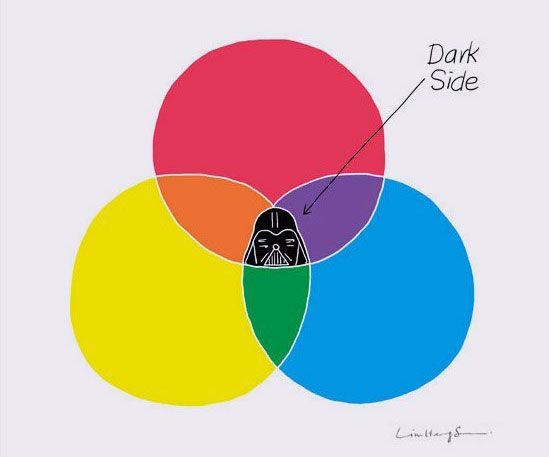
Color is the most powerful weapon in artists, designers, and other evil spirits' arsenal. But what colors have an effect on people? And does an ideal color exist?
The article was inspired by a dispute I had with a developer who was trying desperately to prove that people perceive colors in the same manner – red means danger and prohibition, green stands for life, freshness, etc. Definitely, there are some common stereotypes about color perception, but it all is very generalized.
Career, occupation, hobby influence the color perception. For instance, drivers recognize colors regarding the road traffic regulations. Sales people connect colors to certain items around them and differentiate between pleasant or attractive colors and unloved ones depending on their perception. As for doctors, the colors are bound to certain diseases. How chemists take colors is affected by the materials they work with.
Nationality is of great importance as well – white is the color of grieve in China while in Ukraine it's black. There are many more similar differences.
The key factor, to my mind, is the previous experience. In other words, people don't perceive colors in an objective way but subjectively, they load it with memories from their childhood or adolescence, or transfer their emotions brought by some events where they saw the color, they build unique associations or experience entirely unconventional emotions as a reaction to the color.
Yes, there are general meanings of the colors which make our lives easier, but it's impossible to say that people will react this way but not another. That's why it's important to act according to the situation, needs, objectives and the audience and to use other methodology and techniques to meet the goal. That's a sort of empirical color theory.


